


Numerous applications that require measurements of force are dynamic. Static and dynamic measurement force sensors enable highly precise measurements in automotive development, the aerospace industry and process control. An example of the use of dynamic force sensors is crash tests.
Measurement devices and sensors continue to be calibrated statically, despite the well-known fact that mechanical sensors display a clearly dynamic behavior. The reason for this is that there are hardly any accepted methods for the dynamic calibration of mechanical sensors.
SPEKTRA LABS is one of the few calibration laboratories worldwide to use dynamic calibration standards and is able to perform reliable measurements of force sensors!
Detailed information available for download:
Flexible accreditation (in German)
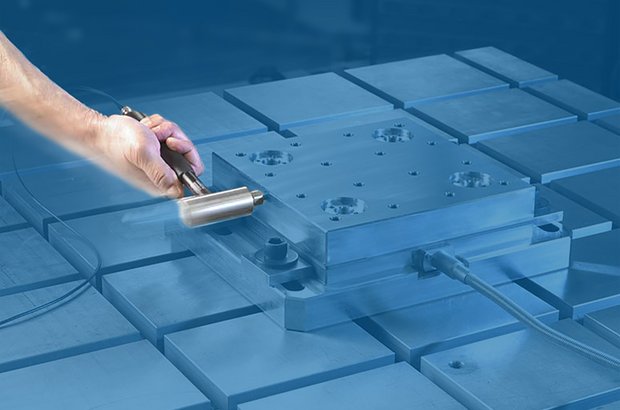
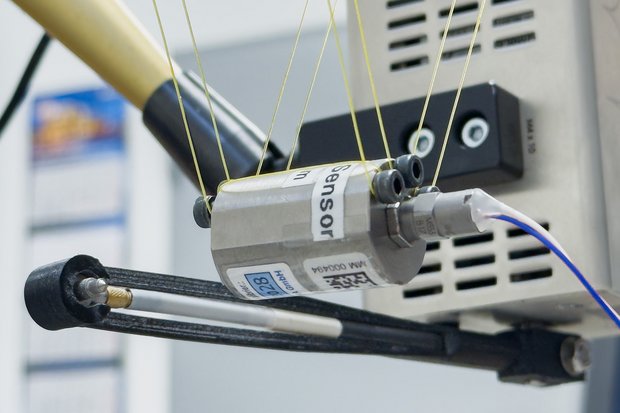
Automatic modal hammer
Automatic modal hammers make it possible to measure the dynamic properties of components such as brake pads or geared motors in a way that is reproducible and automatic. This creates the prerequisites for automatic modal analysis.
Secondary calibration with determination of the impact transfer coefficient of the impulse hammer within the range of:
- 10 N…500 N
- 10 ms…0.1 ms

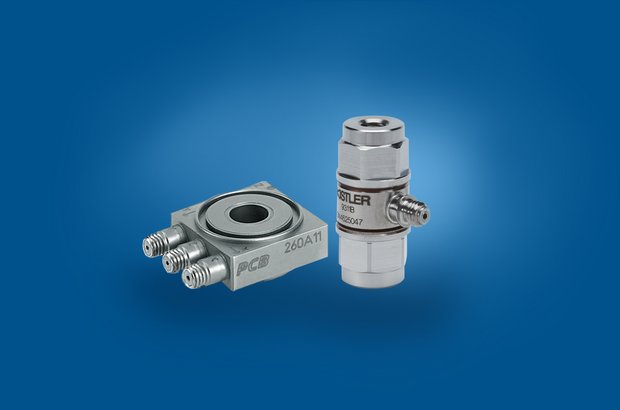
Force sensors
Calibration of force transducers in a preloaded or non-preloaded condition.
Secondary calibration using sinusoidal excitation in the range of:
- 0.05 N…2 kN
- 3 Hz…2 kHz
Piezoelectric force transducers that need to be externally preloaded must be calibrated in their final application configuration.