
Skip to main navigationSkip to main contentSkip to page footer

Calibration Service - Acoustics

Traceable quality for acoustic measuring equipment

When it comes to calibrating your acoustic measuring instruments, trust a competent partner accredited by DAkkS. We calibrate your measuring microphones, sound level meters, sound level calibrators, pistonphones as well as a wide variety of other acoustic devices quickly and reliably.

To ensure reliable measurements, your measuring equipment must be traceable or calibrated at regular intervals. This allows you to ensure that you perform reproducible measurements and improve their quality.


Detailed information available for download:
Accreditation Certificate

We offer:

  • DAkkS-accredited calibration services at the highest level
  • Excellent, minimal measurement uncertainty values
  • Traceable for reproducible measurements
  • Standard turnaround time in the lab: only 5–7 working days
  • Optional: Express calibration within 48 hours
  • Expert advice and personal contact

Frequency range

  • Free field: 125 Hz…20 kHz
  • Pressure chamber: 31.5 Hz…16 kHz (DAkkS-accredited, from 0.1 Hz as factory calibration)

Amplitude range

  • Free field: 74 dB…94 dB
  • Pressure chamber: 64 dB…124 dB

Calibration in accordance with standards

  • IEC 61672-3:2013
  • IEC 61094-8:2012
  • IEC 60942:2004
  • IEC 61094-5:2016

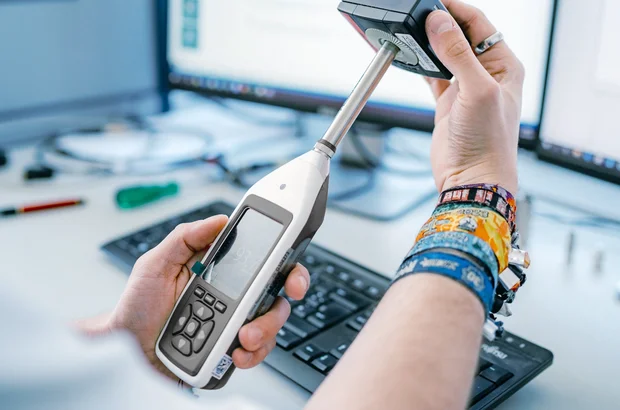
Sound level meters/measurement chains

Calibration in accordance with IEC 61672-3:2013 and DIN 45657:2014

  • Free-field calibration
    125 Hz…20 kHz (sound pressure level 75 dB…94 dB)
  • Pressure calibration (in electroacoustic coupler)
    31.5 Hz…16 kHz (64 dB…114 dB)
  • Pressure calibration (two-point with pistonphone and calibrator)
    250 Hz (94 dB, 114 dB, or 124 dB) and 1 kHz (94 dB or 114 dB)
  • Low-frequency pressure chamber (factory calibration only)
    0.1 Hz…31.5 Hz (124 dB)
  • Full electrical calibration

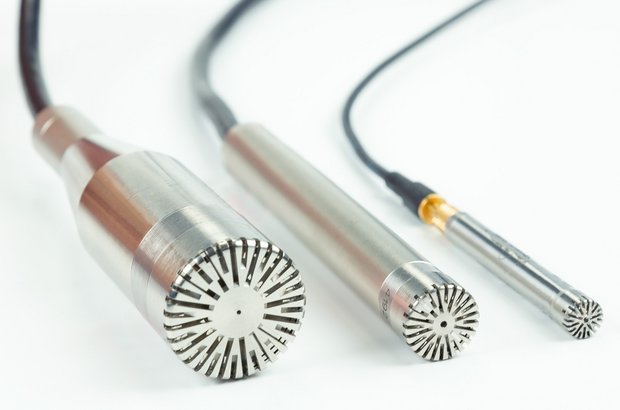
Measuring microphones (¼", ½", 1")

Calibration according to IEC 61094-8-2012, IEC 60942:2004, or IEC 61094-5:2016

  • Free-field calibration
    125 Hz…20 kHz (74 dB…94 dB)
  • Pressure calibration in electro acoustic coupler
    31.5 Hz…16 kHz (74 dB…124 dB)
    ¼ inch with max. frequency range up to 2 kHz
  • Two-point pressure calibration with pistonphone and calibrator
    250 Hz (94 dB, 114 dB, or 124 dB) and 1 kHz (94 dB or 114 dB)
  • Pressure chamber, low frequency: factory calibration only
    0.1 Hz…31.5 Hz (124 dB)

Customers from all over the world

Join over 3,000 customers and trust SPEKTRA for your calibration and testing requirements.

Sound level meters, pistonphones and multi-tone calibrators

  • Pressure calibration (in the electroacoustic coupler)
    31.5 Hz…16 kHz (60 dB…130 dB)
  • Pressure calibration (two-point with pistonphone)
    250 Hz (94 dB, 114 dB or 124 dB) and 1 kHz (94 dB or 114 dB)

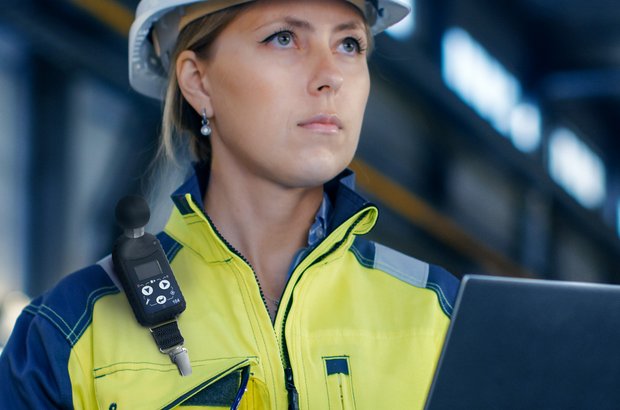
Noise dosimeters

  • Pressure calibration (in the electroacoustic coupler)
    31.5 Hz…16 kHz (64 dB…114 dB)
  • Pressure calibration (two-point with piston microphone and calibrator)
    250 Hz (94 dB, 114 dB or 124 dB) and 1 kHz (94 dB or 114 dB)

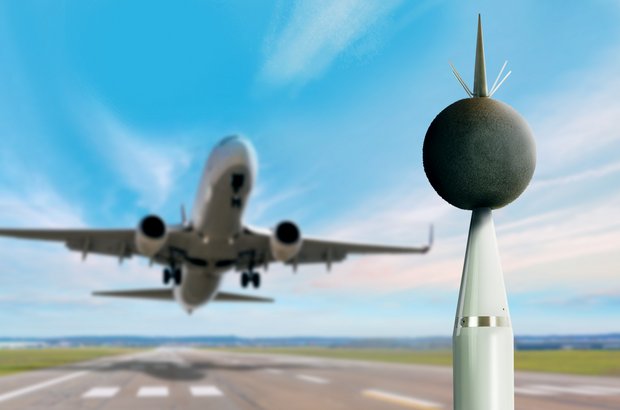
Outdoor microphones

  • Free-field calibration
    125 Hz…20 kHz (74 dB…94 dB)
  • Pressure calibration (in electroacoustic coupler)
    31.5 Hz…16 kHz (64 dB…124 dB)
  • Pressure calibration (two-point with pistonphone and calibrator)
    250 Hz (94 dB, 114 dB or 124 dB) and 1 kHz (94 dB or 114 dB)

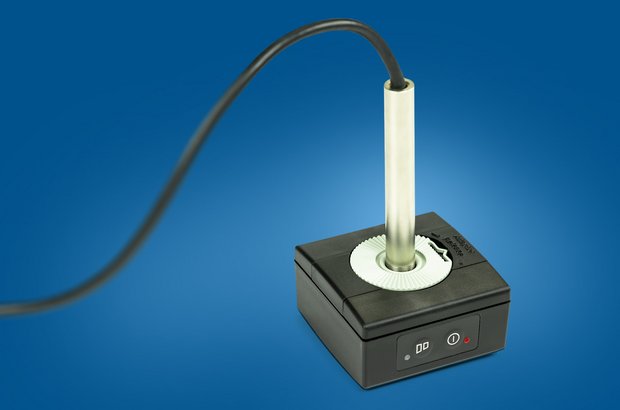
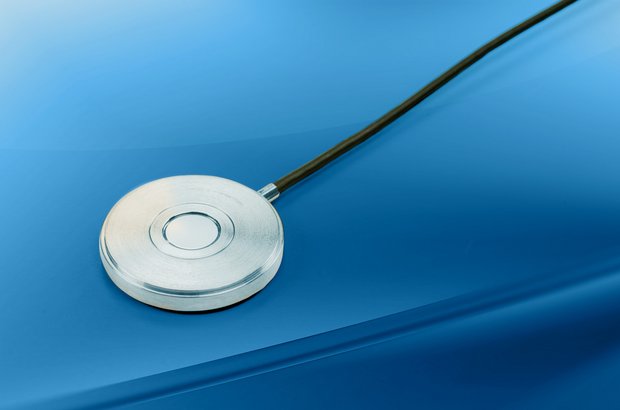
Surface microphones

  • Pressure calibration (in the electroacoustic coupler)
    31.5 Hz…16 kHz (64 dB…124 dB)
  • Sound pressure calibration (two-point with pistonphone and calibrator)
    250 Hz (124 dB) and 1 kHz (94 dB or 114 dB)

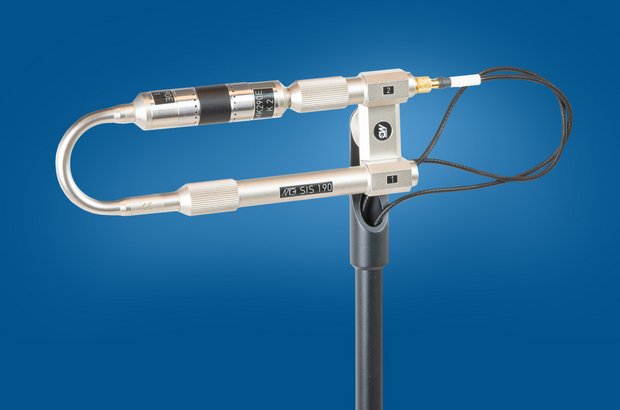
Sound intensity probes

  • Calibration of the relative free-field frequency response of each microphone: 125 Hz…20 kHz
  • Including pressure chamber calibration at two operating points: 250 Hz (124 dB) and 1 kHz (94 dB or 114 dB)
  • Calibration of the phase frequency response in the pressure chamber to determine the residual intensity of the probe
  • Conformity testing of the frequency response and residual intensity against limit values from the DIN EN 61043:1994 standard

Thanks to the two-microphone technique, sound intensity probes enable not only the measurement of sound pressure but also the detection of the sound pressure gradient and thus the calculation of sound intensity.

Do you need a quote or have questions about our services?
Give us a call or use the contact form.


Steven Kallet
Account Manager Services
+49 351 400 24 0

Get your calibration certificate in just 6 steps

Why is calibration
necessary in the first place?

Here, you will find an informative overview with explanations, information and the benefits of our services.

Read more

References

You might also be interested in

Audiometry

more

Vibration

more

Dynamic pressure

more

Electric

more