


Geophones and seismometers are measuring equipment with highly sensitive sensors that measure vibrations and earthquake signals. The safety of large buildings and the integrity of people depends on the accurate and timely measurement of such signals.
This makes it even more important for seismic sensors to undergo regular and valid traceable calibration. Calibrating a seismometer means determining its transmission properties, such as the frequency response, with high precision.
Put your trust in SPEKTRA LABS for accredited calibration of your geophones or seismometers.
Flexible Accreditation (in German)
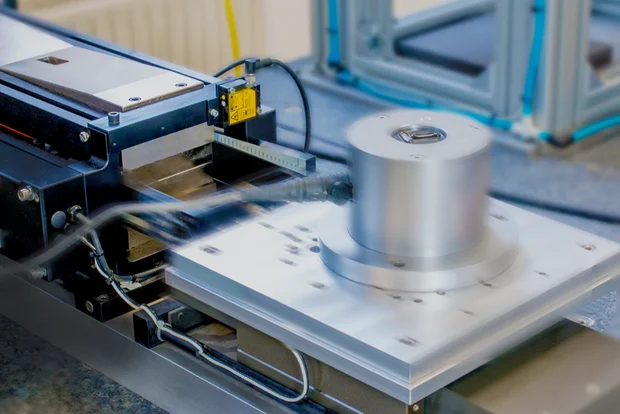
Calibration in accordance with standards
- ISO 16063-11:1999, ISO 16063-21:2003, DKD-R 3-1 Sheet 3:2018, or DKD-R 3-1 Sheet 4:2018 (seismometers)
- DIN 45669-1 “Measurement of vibration emissions – Part 1: Vibration meters – Requirements and tests”
- DIN 4150-3 “Vibrations in building construction – Part 3: Effects on structures”
- DIN 4150-2 “Vibrations in building construction; Effects on people in buildings”
- DIN 45672-1 “Vibration measurement on railways – Part 1: Measurement methods for vibrations”
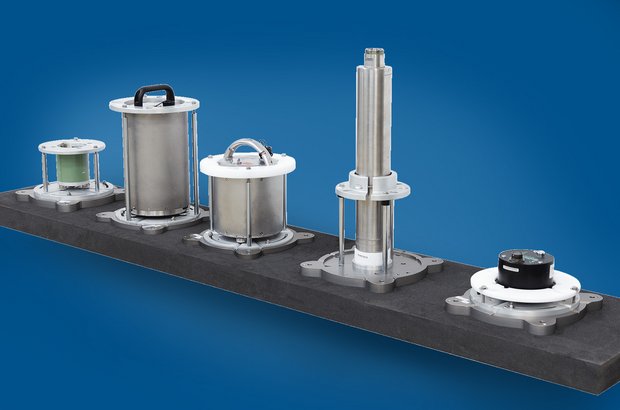
Seismometers / seismic measurement chains
Calibration in accordance with ISO 16063-11:1999
DKD-R 3-1 Sheet 4:2018 ISO 16063-21:2003 / DKD-R 3-1 Sheet 3:2020
Seismometers are highly sensitive devices used to measure ground movements, particularly vibrations caused by earthquakes. Their unique feature lies in their ability to detect even the slightest vibrations and wave movements over long distances with high precision.
- Frequency range: 0.1 Hz…400 Hz
- Acceleration: 0.001 m/s²…20 m/s²

Geophones and vibration meters
Calibration in accordance with ISO 16063-11:1999
DKD-R 3-1 Sheet 4:2018 ISO 16063-21:2003 / DKD-R 3-1 Sheet 3:2020
Geophones are primarily used in applications involving vibrations in the construction industry. This ranges from civil engineering, such as earth excavation and the construction of excavation pit enclosures, to road construction involving compaction work, and even blasting vibrations in tunnel boring.
- Frequency range: 0.5 Hz…80 Hz or 0.5 Hz…320 Hz
(frequency range depends on the application of the geophones) - Lower frequencies can be provided upon request
- Conformity testing in accordance with DIN 45669-1 "Measurement of vibration emissions – Part 1: Vibration meters – Requirements and tests"
Applications of geophones and seismometers
"Reliability" is arguably the most important factor in all applications of highly sensitive seismometers and geophones — from monitoring and early warning to rescue operations. This makes it all the more important that everyone can rely on them to function precisely as intended.
Seismic
recordings
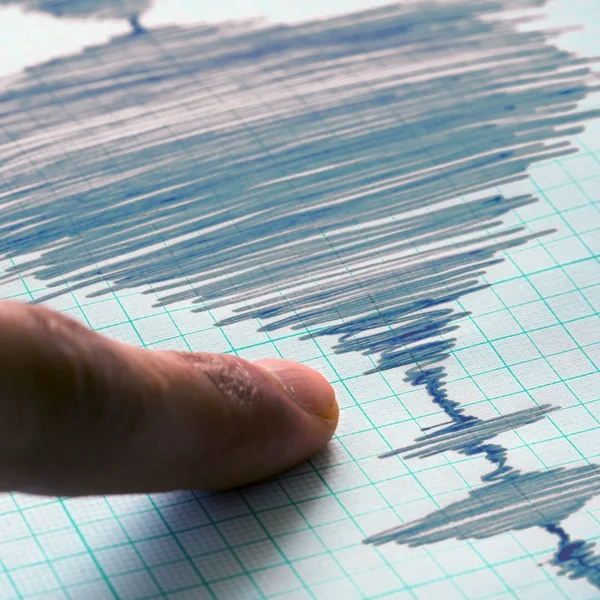
Highly sensitive seismometers are used to monitor seismic activity worldwide that could, in the worst case, lead to earthquakes or tsunamis.
Vibrations
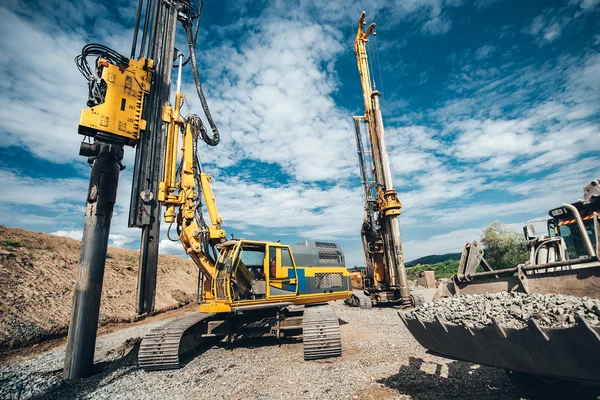
On large construction sites, such as those for tunnels or dams, heavy equipment generates significant vibrations that could damage nearby infrastructure. These vibrations must be recorded for assessment purposes.
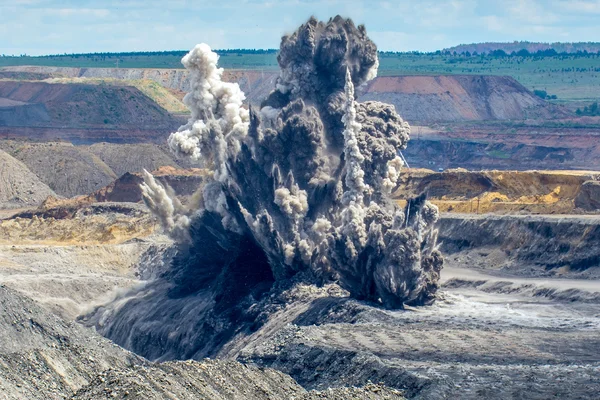
Blasting
When extracting mineral resources or intentionally altering the landscape for construction projects, blasting operations must comply with specifications that can be verified using geophones positioned in the area.
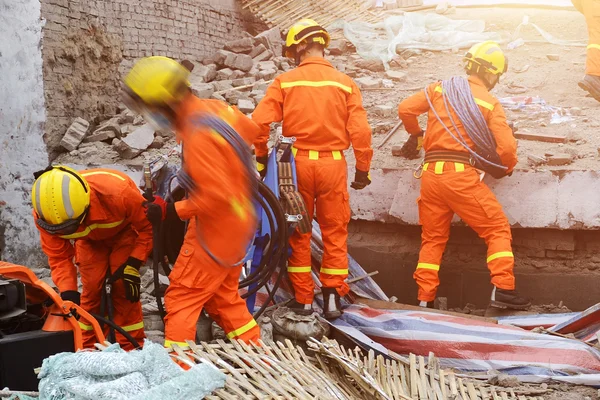
Disaster management
Geophones are used as part of seismic location systems to detect signs of life from people buried under rubble that are no longer audible to the human ear.









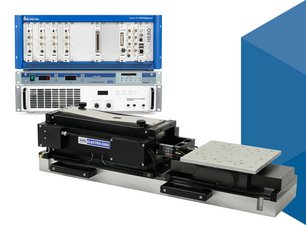
Test and calibration systems
CS Q-LEAP™ is a specialized, all-in-one system for the dynamic testing and calibration of all types of accelerometers.
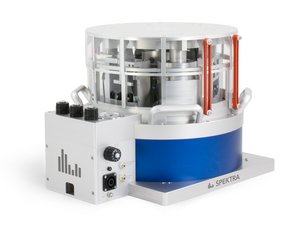
Vibration exciters
Are you looking for the right vibration exciter? From low frequencies up to the megahertz range, SPEKTRA offers a wide range of shakers for all types of acceleration sensors.
Components
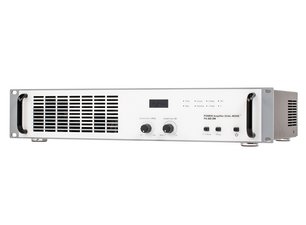
Of course, all components of our systems are also available individually. These include specially developed power amplifiers with safety features and vibration control systems based on NI hardware.

Accessories
When it comes to precision, every detail counts. Rely on our accessories, such as adapter sets for proper sensor mounting or specially shielded cables.